


All Blogs, Hygiene, Priming and Protecting, Weatherproofing
Agricultural Paint and Farm Maintenance : Protection with Palatine Paints

Jun
What’s Covered in This Guide
The Core of Protection: Metal and Masonry
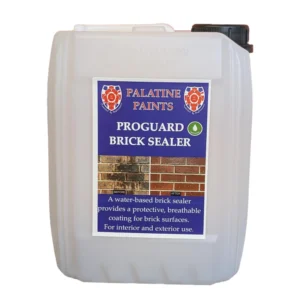
Carboxide Red Oxide Gloss stands as the industry standard for farm maintenance because it offers a dual-purpose, solvent-based alkyd resin solution. It provides excellent opacity combined with a high-gloss weatherproof finish that sheds water more effectively than matte alternatives. Furthermore, it creates a sacrificial barrier against corrosion, which is essential for surviving the damp UK climate.
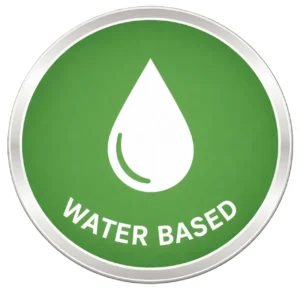
Next, you must address the masonry to prevent structural decay. ProGuard Brick Sealer acts as a clear, trade-ready barrier that protects porous brick and stone from water ingress and moisture tracking through thick barn walls. Consequently, it prevents “spalling” during winter by stopping water from entering pores and freezing.
Once applied, these systems maintain the original character of your buildings while providing a deep, water-repellent shield. Whether you are coating metal gates or stone stables, these core products ensure your structures remain sound. Therefore, matching the right chemistry to each surface is the first step toward successful farm preservation.
Choosing the Right Agricultural Paint
Different surfaces require specific resin systems to ensure long-term durability. For large barns and silos, use Carbolustre 2000 Barn Paint, as its bitumen-alkyd mix offers the high-flexibility waterproofing needed for large outbuildings. Furthermore, for timber fencing and gates, apply CreoSolve or Palatine Fence Paint for deep-penetrating protection.
In addition, milking parlours require Carbochlor (Chlorinated Rubber) due to its extreme resistance to acids, alkalis, and frequent high-pressure washing. On the other hand, for general metal equipment like gates and machinery, Red Oxide Gloss remains the preferred choice for a traditional, earthy finish.
Next, verify the specific environmental stresses each area faces before selecting your coating. If an area faces constant chemical exposure, the chlorinated rubber system will outperform standard alkyds. Consequently, choosing the correct resin today prevents premature coating failure and rust tomorrow.

Agricultural
Masonry Sealers
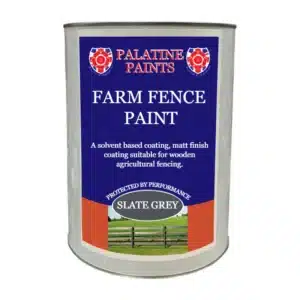
Farm Fence Paint

Hygiene Coatings for Dairy and Livestock Areas
Dairy parlours and milking sheds require specialised hygiene coatings that can withstand daily high-pressure hosing and chemical sterilisers. As a result, you must use Carbochlor (Chlorinated Rubber) Paint, which is highly resistant to acids, alkalis, and moisture. This creates a non-porous, seamless barrier that prevents bacteria and mould from taking hold.
In addition, ensure the coating you select is easy to wipe clean to meet strict agricultural inspections. Traditional masonry paints often flake under high humidity, leading to contamination risks in livestock areas. Therefore, investing in a dedicated chlorinated rubber system is essential for maintaining a sterile, professional-grade environment.
Next, pay close attention to the joints and corners where moisture tends to linger. Then, apply the coating liberally to ensure no gaps are left for water ingress. Consequently, you improve the overall biosecurity of your farm while creating a brighter, cleaner workspace that handles chemical cleaning without degrading.
The Maintenance Checklist & Application Guide
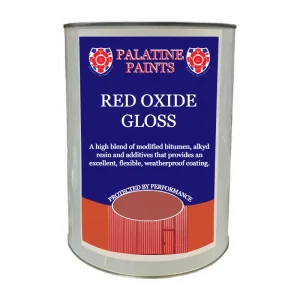
Preparation follows the 80/20 rule, as 80% of success happens before you paint. First, de-grease the surface with Palatine White Spirit to remove hydraulic fluids and traffic film. Then, use a wire brush to remove loose, flaky rust. Once clean, address bare metal with Palatine Anti-Corrosive Metal Primer or use Mordant Solution (T-Wash) for galvanised steel.
Next, mix the resin thoroughly for two minutes with a flat wooden batten before starting. Ensure the ambient temperature is at least 10°C to allow the paint to flow correctly without “sagging.” For application, use a medium-pile roller for large flat areas or a high-quality natural bristle brush for intricate machinery and gate joints.
Finally, if spraying, dilute the paint by no more than 10% using Palatine White Spirit and maintain a consistent distance of 25cm. Wait at least 24 hours before applying a second coat to avoid “frying.” Consequently, the finish will cure to a hard, glossy shield that protects your assets against the elements.
Tractor Restoration: Chassis and Bodywork Coatings
Agricultural maintenance extends beyond buildings to the exterior restoration of modern fleets and vintage tractors. For the tractor chassis, use our specialized high-build Chassis Vehicle & Military Paint which fill minor surface imperfections while drying to a mirror-like high gloss. These coatings offer exceptional impact resistance to protect against the stone chips and road debris common in field work.
In addition, the exterior bodywork requires a coating that maintains its colour depth even after repeated exposure to mud and UV light. Our Carbotrak High Gloss Tractor & Implement Paint, are formulated to be “high-build,” meaning they provide a thick protective layer that stays bright after frequent cleaning. Consequently, your tractor retains a factory-standard appearance even in harsh operational conditions.
Once the application is complete, the chassis and panels feature a chemical-shielded finish that resists spills from fuels and lubricants. Allow the resin to cure for at least seven days before subjecting the new paintwork to high-pressure hosing. Therefore, your restoration project remains protected and visually striking throughout its operational life.

Tips & Troubleshooting
Browse our full range of Red Oxide Gloss, Barn Paints, and Tractor Enamels—available for delivery or collection from Leigh, Greater Manchester.
