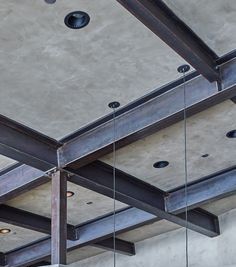
Annual maintenance is crucial for safety, compliance, and long-term property value. Using the right coatings and treatments from Palatine Paints ensures your surfaces stay protected and professional all year round. Here is a structured guide with recommended products for key maintenance tasks.
Floor Protection and Safety
Annual protection for floors is essential to keep busy industrial and commercial spaces safe, smart and compliant all year round. With regular maintenance and the right coatings, you can extend the life of your floors, reduce downtime, and significantly improve on-site safety.
Concrete & Epoxy Floor Paints
In high-traffic environments such as warehouses and factories, floors are constantly exposed to impact, abrasion, and spillages. As part of an annual maintenance plan, re-coating or inspecting existing Concrete Floor Paint and Epoxy Floor Paint helps to:
- Maintain durability – Refresh worn or high-wear areas to ensure the coating continues to protect against heavy foot and vehicle traffic.
- Protect the concrete – Annual checks help identify early signs of damage, allowing you to repair and recoat before cracks, dusting or erosion become serious.
- Keep cleaning easy – A well-maintained painted surface remains smooth and sealed, making it quicker and easier to remove any dirt, oils and debris.
- Preserve a professional appearance – Touching up faded or scuffed areas each year keeps floors looking clean, bright and well managed.
Epoxy floor paints are especially suitable for annual protection programmes in demanding areas, thanks to their excellent adhesion, chemical resistance and long-term performance.
Anti-Slip Floor Paint
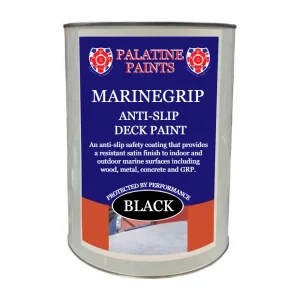
Safety-critical areas – such as wet zones, oily workspaces, ramps and loading bays – should be reviewed at least once a year to ensure that Anti-Slip Floor Paint is still performing effectively.
As part of an annual safety inspection, you should:
- Check grip levels – Look for polishing, wear or contamination that may reduce traction underfoot.
- Inspect high-risk zones – Focus on entrances, wash bays, around machinery, and any area prone to spills or weather exposure.
- Recoat worn patches – Apply fresh anti-slip paint where aggregate has worn smooth or the coating has thinned.
- Update markings – Consider using contrasting colours to clearly define walkways, hazard zones and no-go areas.
By incorporating anti-slip coatings into an annual maintenance schedule, you reduce the risk of slips, trips and falls, and support ongoing compliance with workplace health and safety standards.
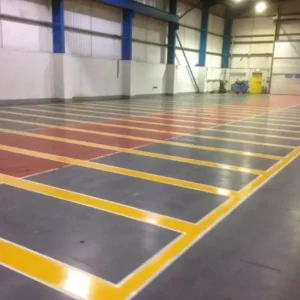
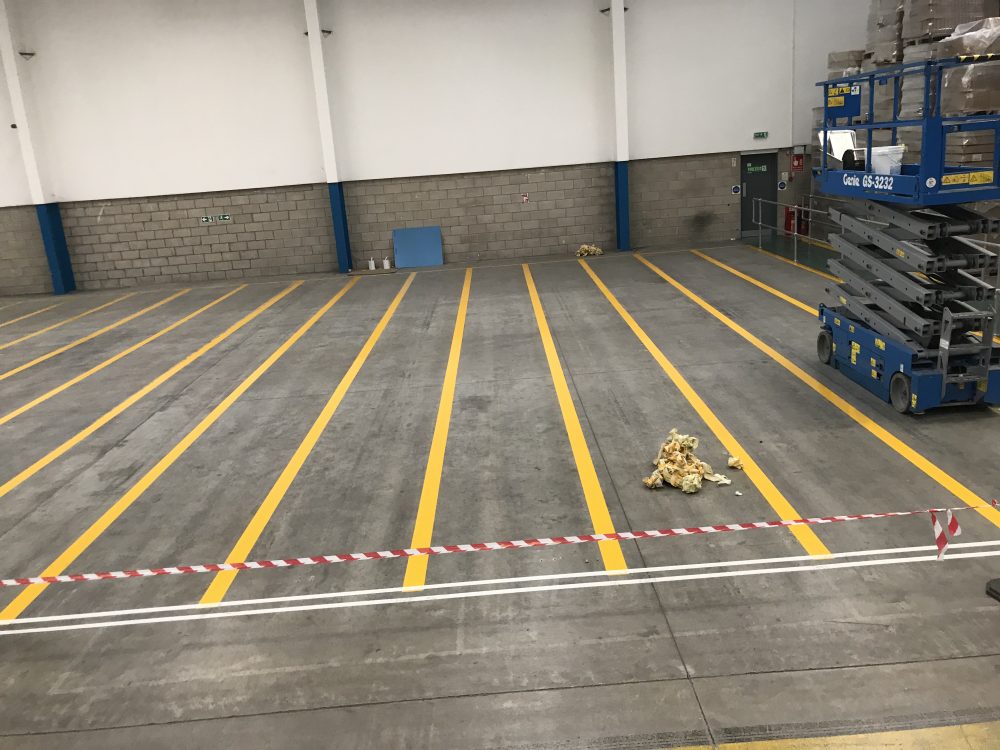
Annual line marking and demarcation play a crucial role in maintaining safety, organisation and efficiency across industrial sites, warehouses, car parks and external yards. Over time, constant traffic, weathering and cleaning can cause markings to fade, making routes less clear and increasing the risk of accidents. Building line marking into an annual maintenance plan helps keep your site compliant, easy to navigate and visibly well managed.
Why Annual Line Marking Matters
Regularly refreshing lines and demarcation ensures:
- Clear traffic flow – Defined routes for vehicles and pedestrians reduce congestion and confusion.
- Improved safety – Bright, visible markings highlight walkways, crossings, loading zones and restricted areas.
- Compliance support – Helps meet health and safety requirements by clearly identifying hazards and safe routes.
- Professional appearance – Crisp and well-maintained lines give a positive impression to staff, visitors and customers.
Using Road & Line Marking Paint
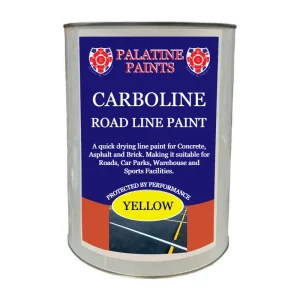
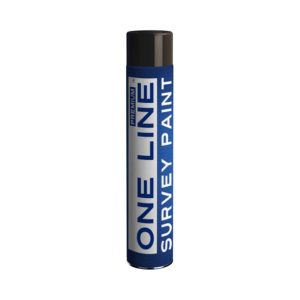
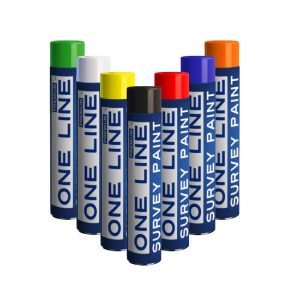
For annual maintenance, Road Marking Paint and Line Marking Spray Paint are ideal for quickly and effectively renewing worn or faded markings.
Typical applications include:
- Pedestrian walkways and crossings inside and outside buildings
- Forklift and vehicle routes in warehouses and yards
- Loading bays, parking bays and no-parking zones
- Hazard areas around machinery, steps, ramps and doorways
Key benefits of using dedicated road and line marking products:
- High visibility – Bright colours and sharp edges make routes and boundaries easy to see at a glance.
- Fast application – Especially with line marking spray, allowing large areas to be refreshed with minimal downtime.
- Durability – Formulated to withstand traffic, weather and regular cleaning for the year ahead.
Wall and Ceiling Maintenance
Annual wall and ceiling maintenance is essential for keeping commercial and industrial buildings safe, hygienic and presentable. By planning a yearly programme using specialist coatings, you can tackle condensation, damp and weathering before they become costly problems – while also improving comfort for staff and visitors.
TruTherm Anti-Condensation Paint for Internal Comfort
In canteens, washrooms, changing areas and cold rooms, temperature differences and high humidity can lead to condensation forming on walls and ceilings. Left untreated, this can encourage mould growth, staining and an unpleasant environment.
- Reduce condensation on cold surfaces by improving thermal performance and surface temperature.
- Discourage mould and mildew by keeping surfaces drier and easier to clean.
- Improve comfort in occupied spaces such as staff canteens and welfare areas.
- Maintain a clean appearance on ceilings and walls that are prone to streaking and water marks.
Target these coatings each year in known problem areas, especially where steam, cooking, showering or frequent temperature changes occur.
Masonry Paint for External Wall Protection
External walls are constantly exposed to rain, UV, pollution and temperature changes. Over time this can lead to fading, hairline cracks and surface breakdown. Including Masonry Paint in your annual inspection and maintenance plan helps to protect the building envelope and preserve kerb appeal.
Annual checks and periodic re-coating with masonry paint will:
- Protect against weathering by forming a durable, water-resistant barrier.
- Help prevent water ingress that can lead to internal damp and structural issues.
- Maintain colour and appearance, keeping the building looking smart and well cared for.
- Support long-term fabric integrity, reducing the need for more extensive repairs later.
Focus on elevations most exposed to weather, as well as any previously patched or repaired areas.
Damp Proof Paint for Interior Damp Issues
Internal damp patches not only look unsightly, they can also damage finishes and contribute to poor indoor air quality. As part of your annual maintenance, identify and treat affected areas with Damp Proof Paint once the underlying cause of moisture has been addressed.
Using damp proof paint annually where needed helps to:
- Block the appearance of residual damp stains on walls and ceilings.
- Provide a barrier to moisture on problem surfaces.
- Create a sound base for decorative finishes in offices, corridors, storage rooms and plant areas.
- Improve hygiene and perception, particularly in customer-facing or staff welfare spaces.
Regular inspections allow you to catch small damp issues early, treat them locally and prevent them from spreading.
Metalwork & Structural Protection
Annual metalwork and structural protection is key to keeping your site safe, smart and structurally sound. Railings, doors, staircases, mezzanines and support steelwork are constantly exposed to wear, moisture and, in many cases, outdoor weathering. Building a yearly inspection and repainting routine around Direct to Metal (DTM) Paint and Rust Treatment helps to prevent corrosion, extend service life and maintain a professional appearance.
Direct to Metal (DTM) Paint for Ongoing Protection
Each year, metal components such as railings, doors, handrails, bollards, frames and support structures should be inspected for damage, flaking paint and early signs of corrosion. Where surfaces are sound, a clean-down and re-coat with Direct to Metal Paint provides fast and effective protection.
As part of an annual maintenance plan, DTM paint helps to:
- Protect against corrosion by forming a tough, weather-resistant barrier.
- Resist knocks and abrasion on high-contact items like handrails and doors.
- Improve appearance with a clean, uniform finish that enhances the overall look of the site.
- Reduce downtime – DTM coatings can often be applied directly to prepared metal without complex systems, speeding up maintenance work.
Focus your yearly DTM repainting on:
- External and internal railings and balustrades
- Fire exit and personnel doors
- Structural steelwork, columns and beams that are visible or exposed
- Access ladders, platforms and safety barriers
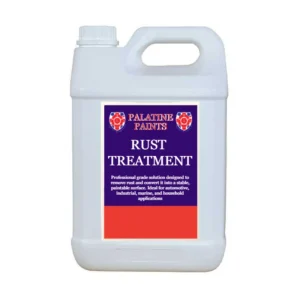
Rust Treatment for Damaged and Corroded Areas
Even with regular maintenance, some metalwork will inevitably develop rust, especially in exposed or high-moisture environments. As part of your annual programme, it is essential to identify and treat those areas before corrosion spreads or compromises strength.
Using Rust Treatment followed by appropriate priming and overcoating allows you to:
- Stabilise existing rust on affected surfaces.
- Prepare a sound base for Direct to Metal Paint or other protective coatings.
- Slow or halt further corrosion, extending the life of the component.
- Avoid more costly repairs or replacements by intervening early.
Your yearly routine should include:
- Inspection – Check all metalwork, especially joints, fixings, base plates and areas where water can sit.
- Preparation – Remove loose rust and flaking coatings, then apply the rust treatment to the affected areas.
- Priming and overcoating – Once treated, prime if required and finish with DTM paint for long-term protection.
A Planned Annual Strategy for Metal & Structural Elements
Bringing these steps together into a structured annual plan ensures your metalwork remains safe and protected:
- Survey all metal components – railings, doors, frames, platforms, staircases and structural steel.
- Spot-treat corrosion with Rust Treatment, then prime and overcoat as needed.
- Recoat sound areas with Direct to Metal Paint to maintain a continuous protective barrier.
- Standardise colours for safety (e.g. highlighting hazards, handrails, or restricted areas).
By treating metalwork and structural elements as part of your yearly maintenance cycle, you help ensure they remain robust, corrosion-resistant and visually well kept – supporting both safety and long-term asset value.
Ancillary & Outdoor Areas
Annual maintenance of ancillary and outdoor areas is just as important as looking after main buildings and internal floors. Plant rooms, roofs, outbuildings and cladding are constantly exposed to the elements, and without regular attention they can quickly deteriorate. By incorporating Bitumen Paint, Exterior Wood Paint and Cladding Paint into your yearly maintenance plan, you can protect these assets, reduce long-term repair costs and keep your site looking professional.
Bitumen Paint for Weatherproofing Critical Areas
Plant rooms, flat roofs, gutters and external steelwork are all vulnerable to water ingress and weather damage. As part of an annual inspection, identify any areas where coatings are cracked, flaking or worn, and refresh them with Bitumen Paint.
Yearly use of bitumen paint helps to:
- Weatherproof roofs and plant areas by forming a tough, water-resistant barrier.
- Protect external steel such as tanks, pipework and supports from moisture and corrosion.
- Extend the life of existing substrates, reducing the risk of leaks and structural damage.
- Provide a cost-effective solution for high-exposure, functional areas that need reliable protection more than decorative finishes.
Focus your annual checks on:
- Flat and low-slope roofs
- Plant room roofs and upstands
- Gutters, downpipes and external steel structures
- Any previously coated bitumen areas showing signs of wear
Exterior Wood & Cladding Paint for Outbuildings
Outbuildings, sheds, storage units and cladded elevations can fade, peel and weather over time. Including them in your annual maintenance routine with Exterior Wood Paint and Cladding Paint keeps them protected and presentable.
Each year, inspect and refresh coatings to:
- Protect timber from moisture, UV and general weathering with Exterior Wood Paint.
- Guard cladding (metal or composite) against fading, chalking and minor corrosion with Cladding Paint.
- Maintain a clean, uniform appearance across storage areas, workshops and perimeter buildings.
- Support brand image and site standards, especially in visible or customer-facing locations.
Typical annual tasks include:
- Washing down cladding and timber to remove dirt, algae and pollution
- Spot-priming bare or weathered areas
- Recoating with the appropriate exterior wood or cladding paint system
A Joined-Up Annual Plan for Ancillary & Outdoor Areas
To keep ancillary and outdoor spaces in good condition year after year, build them into your planned maintenance schedule:
- Use Bitumen Paint annually to weatherproof plant rooms, roofs and exposed external steel.
- Inspect and recoat outbuildings and timber with Exterior Wood Paint to prevent rot and degradation.
- Clean and refresh cladded surfaces with Cladding Paint to maintain both protection and appearance.
By treating these often-overlooked areas as part of your yearly programme, you help to ensure your entire site – not just the main buildings – remains protected, weather-resistant and visually well maintained.
Preparation & Accessories
Preparation and the right accessories are just as important as the paint itself. Good surface prep ensures coatings adhere properly, last longer and perform as they should, while quality tools make application faster, neater and more consistent.
Cleaners & Degreasers – The Essential First Step
Before any coating goes on, surfaces must be clean, dry and free from contamination. Using dedicated Cleaners and Degreasers as your first step in preparation helps to:
- Remove oil, grease and grime from floors, walls, metalwork and machinery areas.
- Lift dirt, dust and residues that can interfere with adhesion.
- Create a sound, keyed surface for paints, primers and sealers to bond to.
- Reduce the risk of coating failure, such as flaking, peeling or patchy finishes.
Typical uses include:
- Degreasing concrete floors before applying concrete or epoxy floor paint
- Cleaning metal railings, doors and structural steel prior to Direct to Metal coatings
- Washing down walls and cladding before masonry, cladding or exterior wood paints
Building cleaning and degreasing into your standard preparation routine is one of the most effective ways to improve coating performance and longevity.
Painting Equipment – Tools for a Professional Finish
Once surfaces are properly prepared, using the right painting equipment makes application smoother, quicker and more controlled.
Key items include:
- Paint Brushes – For cutting in edges, detailing, railings, doors, trims and smaller areas.
- Rollers – Ideal for larger surfaces such as floors, walls, ceilings and cladding, helping to achieve an even, consistent film.
- Gloves – Protect hands from solvents, paints and cleaners, and support safe working practices.
Quality tools help you to:
- Apply coatings evenly, reducing streaks, patchiness and missed spots.
- Work more efficiently, especially on large areas where roller choice can significantly affect speed and coverage.
- Improve safety and comfort, with appropriate protective gloves and accessories.
Why use Palatine Paints?
- Specialist, industrial-grade products for every maintenance challenge
- Expert technical support and advice
- Proven performance and compliance for commercial settings