
All Blogs, How To Guides, Priming and Protecting, Weatherproofing
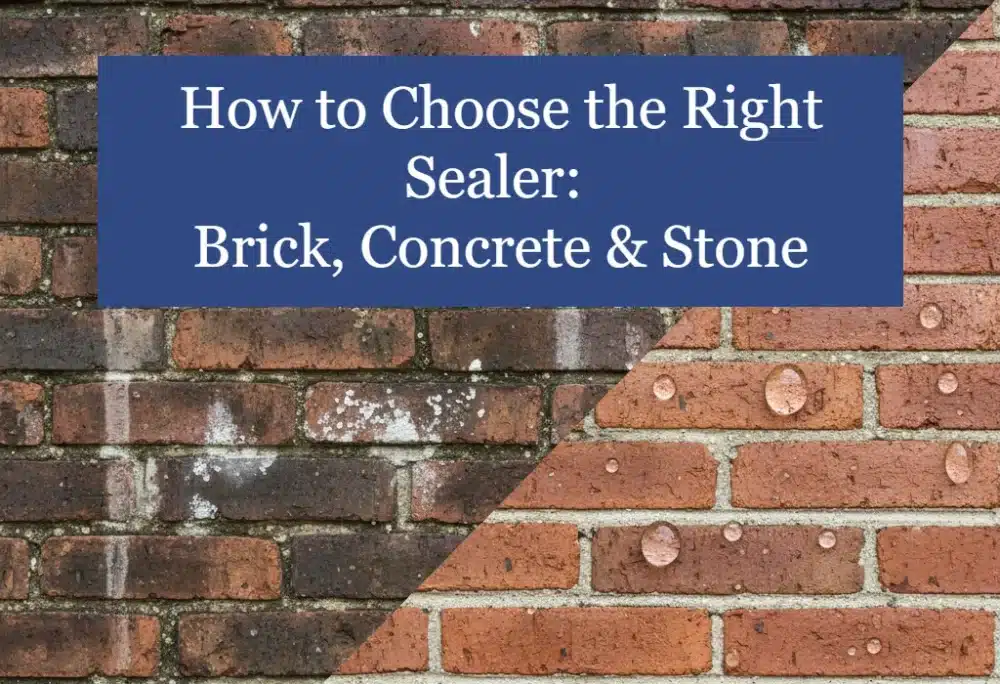
How to Choose the Right Sealer: A Complete Guide to Concrete, Brick, and Stone Protection
Jun
What’s Covered in This Guide
Understanding the Two Main Types of Sealers
Penetrating Sealers
These treatments soak deep into the pores of the substrate to create a hydrophobic barrier. As a result, they allow the material to ‘breathe,’ meaning internal moisture can escape without damaging the finish.
- Best for: Natural stone, brickwork, and masonry where you want a “natural” look.
- They do not change the surface appearance or texture significantly.
Topical Sealers
Topical sealers sit on top of the material to create a physical film or barrier. These often provide a visible sheen—such as matte, silk, or gloss—and effectively block chemicals from touching the stone.
- Best for: High-traffic floors or surfaces where you want a “wet look.”
- They create a barrier that makes the surface much easier to clean and maintain.
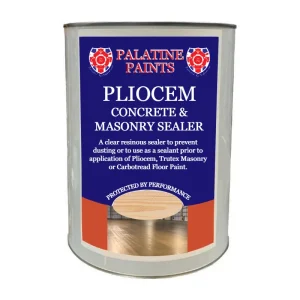
Pliocem® Clear Concrete Sealer: The Dust-Binding Paintable Solution
Solving the “Dusting” Problem
- Pliocem penetrates deep into the concrete to glue loose, powdery particles together at the source.
- It stops the annoying grey dust that ruins vehicle tyres, storage boxes, and mechanical equipment.
The Painting Advantage
The most common question we receive is whether a sealer can be overcoated once it has fully cured. With Pliocem, the answer is yes, as it is specifically designed to act as a high-performance primer for solvent-based paints.
Exceptional Adhesion
Because the product formulated with Pliolite® resins, this sealer provides a superior anchor for masonry and floor coatings even in challenging conditions. Consequently, it ensures that subsequent layers of paint bond permanently to the substrate without the risk of flaking or peeling.
By using Pliocem as your base layer, you create a stable, weather-resistant foundation that resists the British climate. Consequently, your finished paint job will maintain its professional appearance and structural integrity for significantly longer.
Technical Timing
For the best results, you must allow the resin to reach its full hardness before subjecting the floor to heavy vehicle traffic. Ensuring the environment is dry and above 10°C is critical for the chemical bond to form correctly.
- Touch Dry: 3 hours (@ 20°C).
- Hard Dry: 48 hours (@ 20°C).

ProGuard & StoneGuard: Premium Invisible Shields
ProGuard Brick Sealer
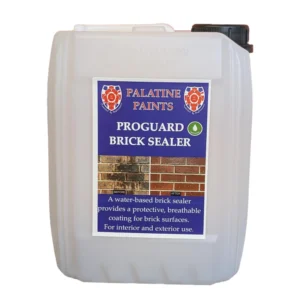
ProGuard uses advanced short-chain fluoropolymer technology to create an “invisible shield.” This water-based formula provides a superior barrier against both water and oil-based stains without changing the brick’s look.
- It stops water from soaking into porous bricks to prevent penetrating damp.
- It is a “point of no return” product—standard paints will not bond to it.
StoneGuard ProSealer
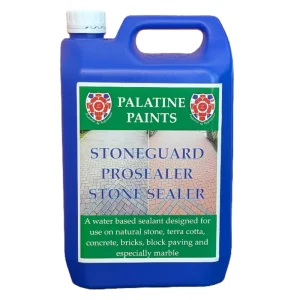
If you have invested in Indian Sandstone or Marble, StoneGuard is the essential choice for stain resistance. It keeps grease and contaminants on the surface, making it perfect for outdoor BBQ areas.
- Resists dirt and prevents stains from setting into the porous stone.
- Maintains the stone’s natural appearance while remaining fully breathable.
Comparison: How to Choose?
To help you decide, here is a quick comparison of the three heavy-hitters:
| Feature | Pliocem Clear Sealer | ProGuard Brick Sealer | StoneGuard ProSealer |
| Best For | Concrete floors, dusty workshops, render | External brick walls, chimneys, mortar | Indian Stone, Marble, Limestone, Patios |
| Chemistry | Solvent-borne (Pliolite® Resin) | Water-based Fluoropolymer | Water-based Fluoropolymer |
| Can be Painted? | Yes (High-Performance Primer) | No (Repels Adhesion) | No (Repels Adhesion) |
| Finish | Mid Sheen | Invisible / Natural | Natural / “Easy-Clean” |
| Theoretical Coverage | Approx. 8m² per Litre | Approx. 5–8m² per Litre | Approx. 5–8m² per Litre |
| Main Goal | Dustproofing & Binding | Waterproofing & Oil Repellence | Oil & Food Stain Resistance |
Concrete Floor Paint
Masonry Sealers
Driveway Paint
The Golden Rules for Perfect Application
Even the best sealer will fail if the application is rushed or the environment is incorrect. Follow these three “Golden Rules” from our technical team to ensure a lasting finish.
- The 10°C Threshold: Products require a minimum substrate temperature of 10°C to cure; otherwise, the sealer may turn white or “blush.”
- Moisture is the Enemy: Trapping moisture under a sealer is the top cause of product failure. Ensure surfaces are bone-dry after power-washing.
- Thin Coats Only: Apply two thin coats rather than one thick layer. Excessive thickness can lead to “ponding” and sticky, unsightly patches.
Summary: Choosing the Right Protector
Tips & Troubleshooting
Application Success
Common Issue: White Blooming
The Cause: Trapping Efflorescence
The Fix: Surface Preparation
-
-
White, powdery residue (efflorescence) occurs when moisture and alkaline salts are trapped under the sealer.
-
To fix this, you must wait at least 28 days for new concrete to cure and ensure the surface is completely dry before application.
-
Common Issue: Sticky Ponding
Common Issue: Sticky Ponding
The Cause: Excessive Application
-
-
If the sealer dries into a sticky patch, it is likely due to “flooding” the surface with too much product.
-
To avoid this, always apply thin, even coats and use a roller to spread out any pools of liquid before they dry.
-
Common Issue: Paint Peeling
The Cause: Repellent Sealers
The Fix: Compatibility Check
-
-
Standard paints will peel off if applied over ProGuard because the surface is too repellent.
-
If you need a paintable surface, you must use Pliocem, which is specifically designed to act as a primer for masonry paints.
-
Frequently Asked Questions