
Jan
What Is Sodium Hypochlorite?
Sodium Hypochlorite Uses – What Is It Used For?
Exterior Surface Cleaning (Soft washing & Jet washing)
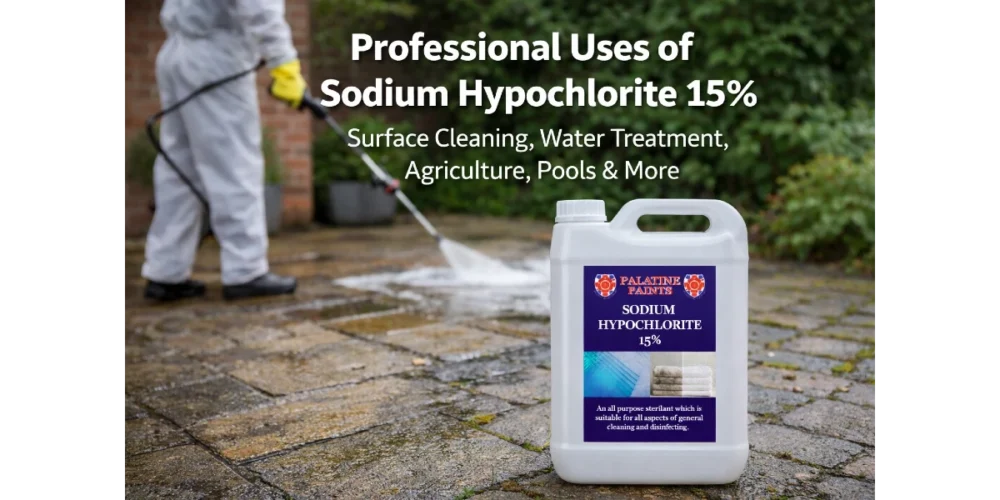
One of the most popular uses would be Sodium Hypochlorite Patio Cleaner for exterior surface cleaning, particularly soft washing. Contractors and cleaning professionals rely on Sodium Hypochlorite 15% to remove organic growth without damaging surfaces.
- Patio & Driveway Cleaning – Sodium hypochlorite is highly effective at removing:
-
- Black spot lichen
- Green algae
- Moss
- Organic staining
It is suitable for paving slabs, concrete, block paving, tarmac, and brickwork, restoring surfaces.
- Roof & Render Cleaning – Professional soft wash technicians use sodium hypochlorite to clean:
-
- Roof tiles
- Rendered walls
- Cladding and building exteriors
Softwashing kills organic growth at the root, helping to prevent regrowth while avoiding damage caused by high‑pressure washing.

Swimming Pool & Spa Maintenance
In the leisure industry, Sodium Hypochlorite 15% is commonly referred to as liquid chlorine. In the leisure industry, people often call Sodium Hypochlorite 15% “liquid chlorine”. Pool operators use it in both domestic and commercial swimming pools because it provides consistent chlorination when used correctly.
Shock Treatment
- Break down contaminants and organic matter
- Help control algae growth
- Support overall water clarity
Automated Dosing Systems
- Delivers consistent dosing
- Reduces manual handling
- Supports stable water chemistry
While Sodium Hypochlorite is an incredibly effective sanitizer for swimming pools and spas, its high alkaline nature can cause the water’s pH to rise over time. To ensure your chlorine remains effective and to prevent cloudy water or pipe scaling, we recommend regularly testing your water and using an Alkalinity Reducer to maintain the perfect balance
Water Treatment & Purification
Well Water Disinfection
Wastewater Treatment
Cooling Towers & Industrial Water Systems
- Biofilm
- Algae
- Bacteria
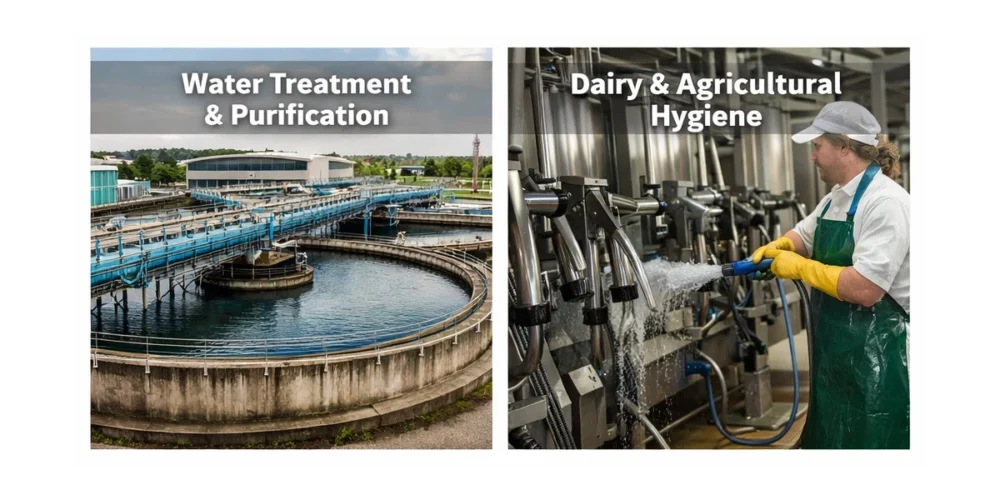
Dairy & Agricultural Hygiene
In agricultural environments, hygiene is critical. Sodium Hypochlorite 15% is widely used as a broad spectrum disinfectant.
Milking Parlours & Dairy Equipment
Farmers use sodium hypochlorite to sterilise equipment and high-contact areas. This helps reduce the risk of bacteria such as E. coli, Salmonella, and Listeria spreading through the environment.
-
- Milking lines
- Dairy tanks
- Processing and storage equipment
Livestock Housing & Transport –
Operators also use it to disinfect livestock areas and transport equipment. As a result, they can maintain stronger hygiene standards across the site.
-
- Animal housing and pens
- Livestock trailers
- Farm vehicles and equipment
Industrial, Commercial & Facility Cleaning
Sodium Hypochlorite 15% is commonly used in:
- Warehouses and factories
- Commercial kitchens and food‑processing areas
- Storage tanks and drainage systems
When diluted correctly, it provides powerful surface sanitisation where hygiene compliance is essential.
Why Buy Sodium Hypochlorite 15%?
Professional Strength Performance
Multi Purpose Chemical
Cost Effective for Trade & Industry
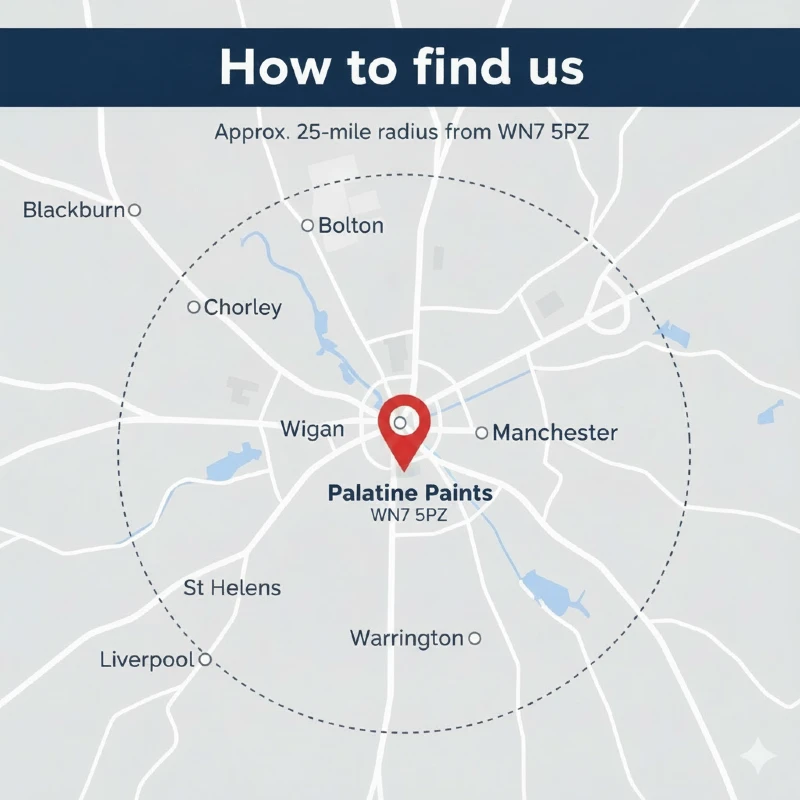
How to find us – Sodium Hypochlorite Near Me
If you’re searching for sodium hypochlorite near you, Palatine Paints & Chemicals can help even if you’re not local to Leigh, Lancashire. We’re a UK based manufacturer and supplier, so you can order online for fast UK wide delivery or arrange collection where available. Additionally, we supply trade and professional customers with consistent product quality, clear safety documentation, and dependable service—whether you need a one-off order or regular bulk supply.
Safety & Handling Information
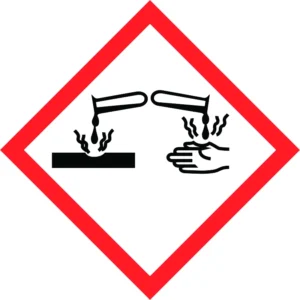
Due to its strength, Sodium Hypochlorite 15% must be handled carefully:
- Always wear appropriate PPE, including gloves and eye protection
- Never mix with acids or ammonia, as this can release toxic chlorine gas
- Dilute correctly for each application
- Store in a cool, well‑ventilated area away from direct sunlight
- Never mix with other chemicals
Frequently Asked Questions (FAQ)
What is sodium hypochlorite?
Sodium hypochlorite is a chlorine based chemical used for cleaning, disinfection, water treatment, and hygiene control in professional and industrial environments.
What is sodium hypochlorite used for?
It is used for exterior washing, patio and driveway cleaning, swimming pool disinfection, water purification, agricultural hygiene, and industrial sanitisation.
What are the main sodium hypochlorite uses?
Key sodium hypochlorite uses include algae and moss removal, liquid chlorine for pools, dairy equipment sterilisation, wastewater treatment, and biofilm control.
Is sodium hypochlorite the same as bleach?
Yes, but Sodium Hypochlorite 15% is much stronger than household bleach and is designed for professional use.
Is Sodium Hypochlorite 15% safe to use?
When handled by correctly and within the recommended guidelines, correct dilution and PPE, it is safe and highly effective. It must never be mixed with other chemicals.