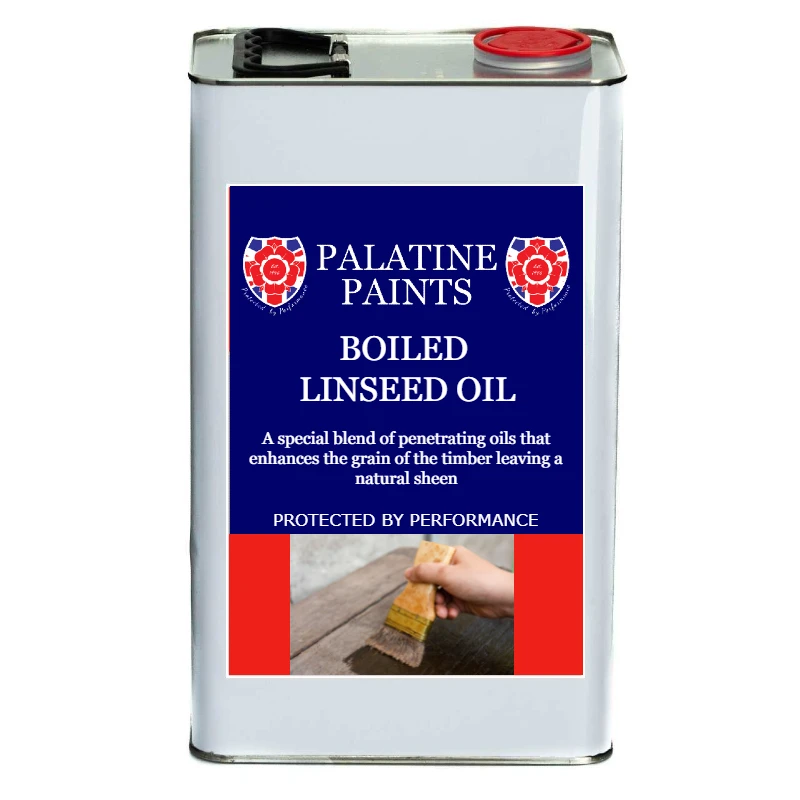
Carbolin boiled linseed oil is linseed oil blended with driers, improving drying times. Linseed oil comes from ripened and dried ‘flax plant’ seeds and has been in use for centuries. Boiled linseed oil penetrates unsealed wood, leaving a natural, water resistant, protective finish. The colour darkens slightly with age.
Use Carbolin boiled linseed oil for oiling many types of bare wood. Boiled linseed is suitable for many wood types, but is not suitable for oak furniture or flooring. Primarily for internal use and wood care applications. It also functions as a traditional treatment to seal terracotta tiles and other porous substrates.
Often mixed with burnt sand to form a caulking to fill gaps between timber and masonry.
Highlights:
- Natural water resistant finish to unsealed wood
- Darkens slightly with age
- For many wood types (NOT oak furniture or flooring)
- Seals terracotta tiles and other porous substrates
Not sure whether boiled linseed oil is the right oil? Why not have a read of our blog Wood oil: Why use it and which one to choose?
Please take care when disposing of rags used to apply linseed oil. Rags soaked in linseed oil are a known hazard and can spontaneously combust.
Preparation
Surface Condition: Ensure the wood is completely dry and free from dirt, dust, and any existing “repellent” coatings like wax, paint, or varnish. Any old coatings should be sanded down or removed entirely.
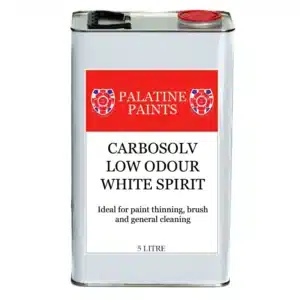
Oily Woods: If you are working with naturally oily woods, wipe the surface down with White Spirit before starting the application.
External Use: While mainly for internal use, if applying outside, the wood should be treated with a preservative first and allowed to dry completely.
Mixing: Shake the oil container well before use and keep it upright.
Application
Dilution (New Wood): For best results on brand-new wood, dilute the first two coats with 30% Turps or White Spirit.
Method: Apply the oil using a brush or a lint-free cloth.
Wiping Excess: After 10–15 minutes, you must wipe away any excess oil that hasn’t soaked in using a clean, lint-free cloth.
Number of Coats: A minimum of 3 coats is recommended for a proper finish.
Drying Time: Wait 24 hours between each coat.
Final Cure: Allow 7 days (or until the surface is fully dry and no longer tacky) after the final coat before using the treated item.
Important Safety Precaution
Spontaneous Combustion Hazard: Cloths or rags used to apply linseed oil can catch fire on their own as the oil dries.
* Immediately after use, soak used rags in soapy water.
* Lay them flat outside on a non-combustible surface (like a stone slab or gravel) to dry before disposal.
Q: What is Carbolin Boiled Linseed Oil?
A: It’s a natural linseed oil (from flax seed) blended with driers to improve drying times. It penetrates unsealed wood to leave a natural, water-resistant protective finish, with colour that darkens slightly with age.
Q: Can I use it on all types of wood?
A: It works well on many types of wood, but you should avoid using it on oak furniture or oak flooring. It is also generally recommended for internal wood projects rather than heavy-duty external ones.
Q: Can I use it for French Polishing?
A: Yes, Boiled Linseed Oil can be used as a lubricant during the French Polishing process or to soften putty.
Q: Can it be used on anything other than wood?
A: Yes, it is a traditional and very effective sealer for terracotta tiles and other porous stone surfaces.
Q: How do I apply it safely, and what’s the rag disposal warning?
A: Shake well, apply by brush or lint-free cloth, then after 10–15 minutes remove excess oil with a lint-free cloth. Clean equipment with White Spirit.
Important: rags soaked in linseed oil can spontaneously combust—after use, soak in soapy water then lay flat outside on a non-combustible surface to dry.







Reviews
There are no reviews yet.